Roof Algae Removal in Vancouver, WA
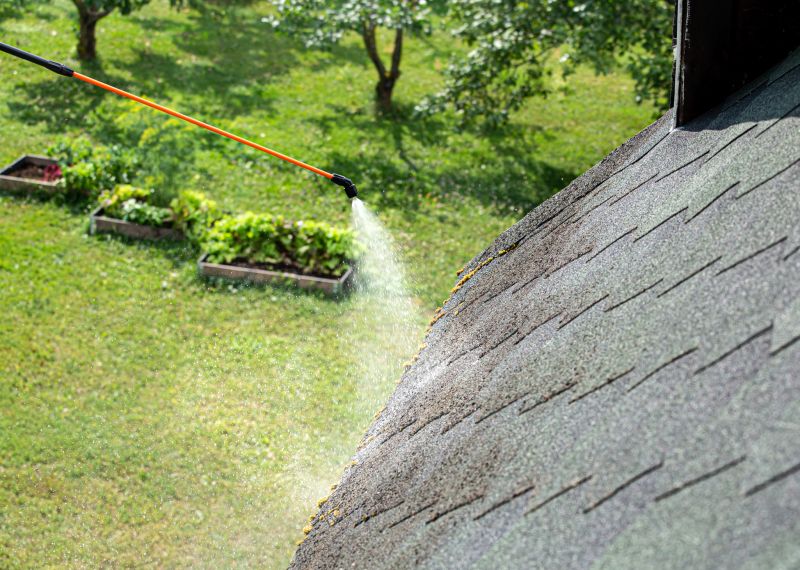
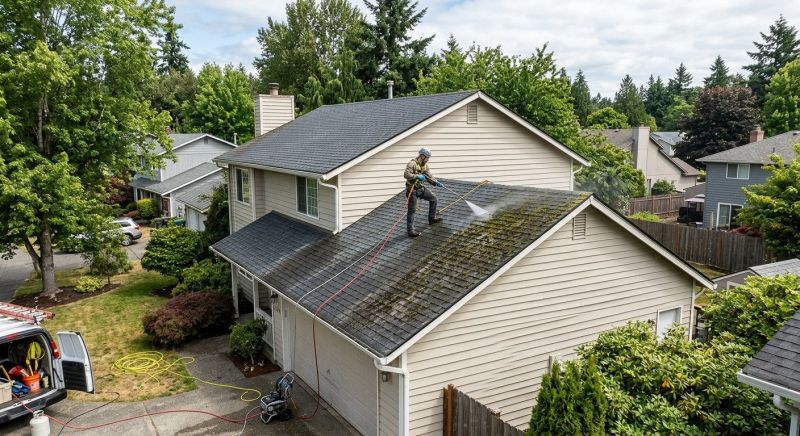
Roof algae removal services are designed to eliminate unsightly green, black, or brown streaks caused by algae growth on residential and commercial roofs. This process typically involves applying specialized cleaning solutions that safely remove algae, moss, and other organic stains without damaging roofing materials. Projects can range from single-story homes to larger multi-family complexes, and the goal is to restore the roof’s appearance while helping to prevent further growth that can compromise the roof’s integrity over time.
Property owners interested in roof algae removal should consider factors such as the type of roofing material, the extent of algae or moss buildup, and any previous treatments applied. It’s important to understand that algae growth is often a sign of moisture retention or shaded areas, and addressing these underlying conditions can help maintain the roof’s cleanliness longer. Contacting a professional for an assessment can provide guidance on the most effective treatment options for specific roofing needs.
Many property owners in Vancouver, WA look into Roof Algae Removal for repairs, replacements, upgrades, and appearance-related improvements.
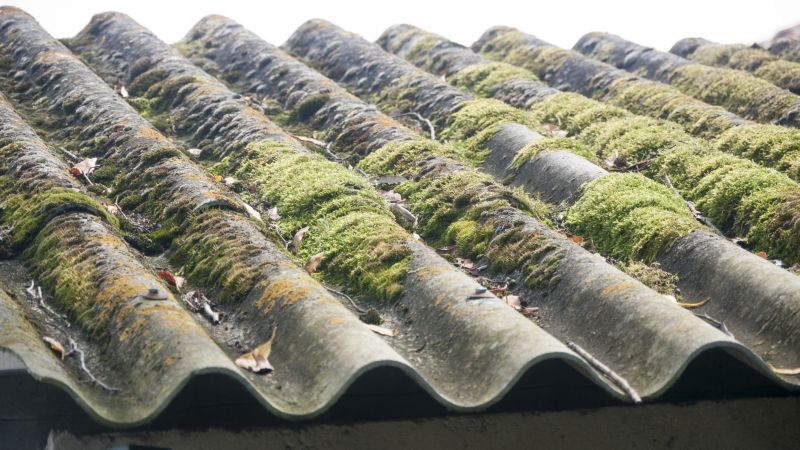
Benefits Of Algae Removal
Removing algae helps maintain the roof’s appearance and extends its lifespan.
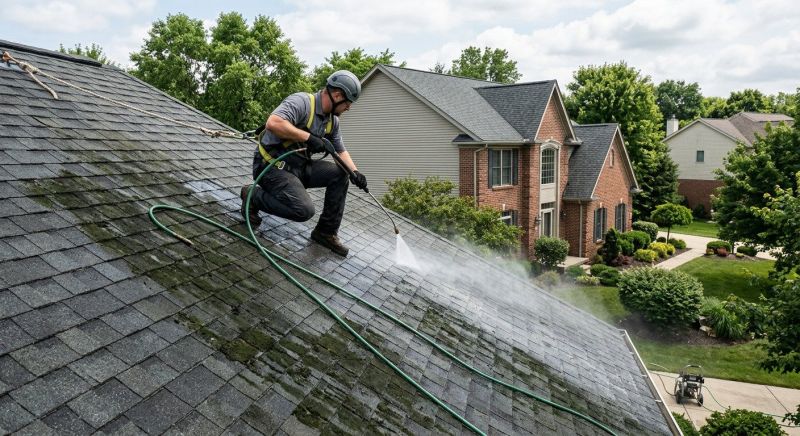
Signs You Need Algae Cleaning
Dark streaks and moss growth are common indicators of algae buildup on roofs.
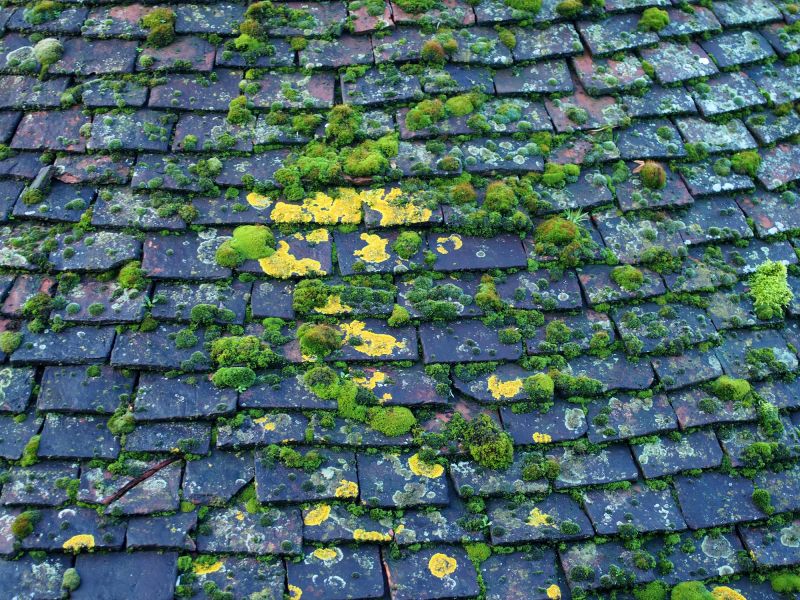
Preventative Maintenance Tips
Regular inspections and cleaning can prevent algae from damaging roofing materials over time.
Roof Algae Removal in Vancouver, WA
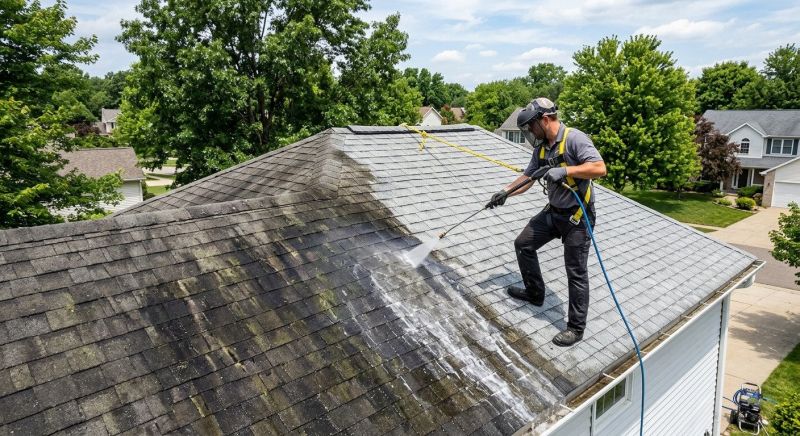
Roof algae removal services are designed to eliminate unsightly green, black, or brown streaks caused by algae growth on residential and commercial roofs. This process typically involves applying specialized cleaning solutions that safely remove algae, moss, and other organic stains without damaging roofing materials. Projects can range from single-story homes to larger multi-family complexes, and the goal is to restore the roof’s appearance while helping to prevent further growth that can compromise the roof’s integrity over time.
Property owners interested in roof algae removal should consider factors such as the type of roofing material, the extent of algae or moss buildup, and any previous treatments applied. It’s important to understand that algae growth is often a sign of moisture retention or shaded areas, and addressing these underlying conditions can help maintain the roof’s cleanliness longer. Contacting a professional for an assessment can provide guidance on the most effective treatment options for specific roofing needs.
Many property owners in Vancouver, WA look into Roof Algae Removal for repairs, replacements, upgrades, and appearance-related improvements.
Common Roof Algae Removal Jobs
Roof algae removal - helps eliminate unsightly algae growth that can damage roof shingles.
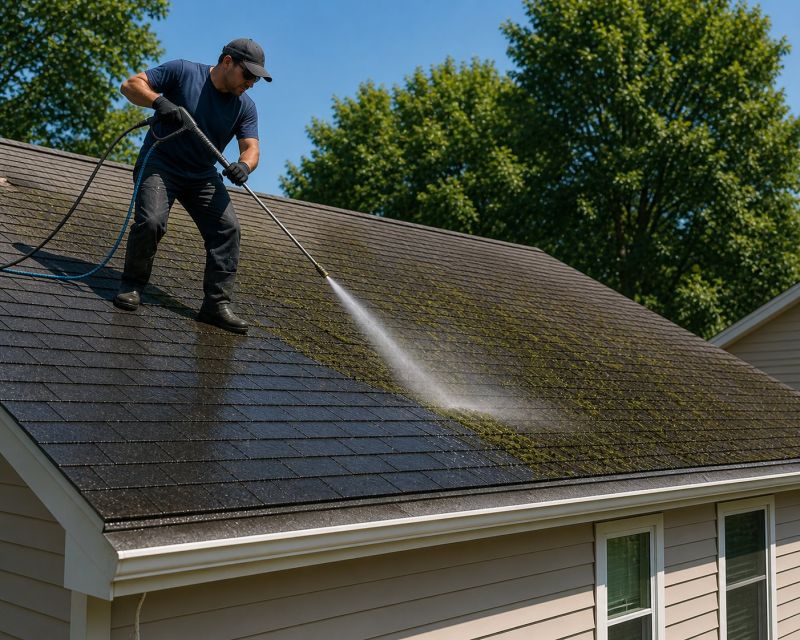
Asphalt shingle cleaning - restores the appearance of asphalt roofs affected by algae buildup.
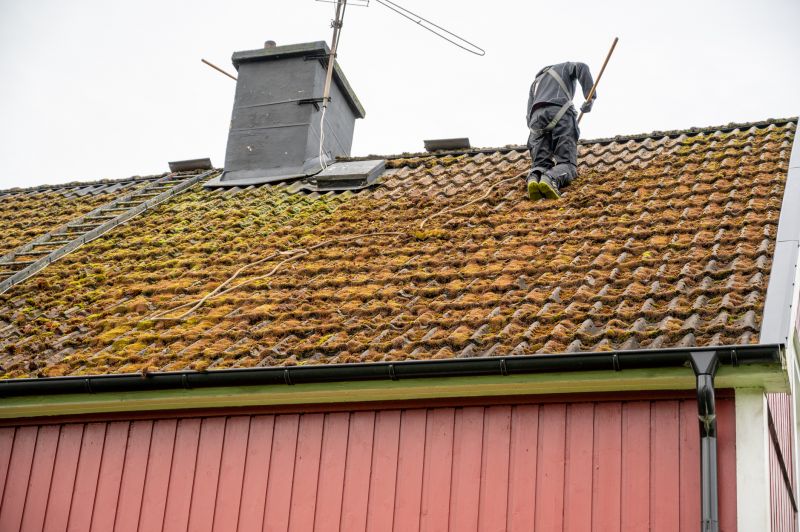
Tile roof cleaning - removes algae and moss from tile surfaces to extend roof life.
Metal roof cleaning - safely clears algae from metal roofing for improved aesthetics.
Gutter and roof surface cleaning - prevents algae from spreading to gutters and other roof areas.
Preventative algae treatment - applies solutions to inhibit future algae growth on roofs.
Roof Algae Removal Questions
What causes roof algae? Roof algae growth is typically caused by moisture, shade, and organic debris that create a suitable environment for algae to thrive on roof surfaces.
How does algae affect a roof? Algae can cause discoloration and staining, which may lead to a roof appearing aged or dirty over time.
Is algae removal safe for the roof? Yes, professional algae removal uses gentle cleaning methods that help preserve the roof’s surface while eliminating algae.
How often should roof algae be removed? Regular inspections are recommended to identify algae buildup early and maintain the roof’s appearance and condition.
Request Roof Algae Removal in Vancouver, WA
Use the quote form on this page to share the basics of your project and request more information for the type of work you need.